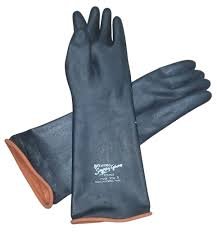

Electrical safety is one of the most critical concerns in industrial workplaces, power systems, and construction environments. Workers who handle live electrical circuits, power lines, or energized equipment face serious risks every day. To reduce the danger of electric shock and related injuries, professionals rely on specialized protective equipment such as electrical insulated gloves.
These gloves are specifically designed to protect workers from electrical hazards while allowing them to perform tasks safely and efficiently. From electricians and utility workers to industrial technicians and engineers, electrical insulated gloves are considered an essential part of workplace safety.
What Are Electrical Insulated Gloves?
Electrical insulated gloves are protective gloves made from non-conductive rubber materials that prevent electric current from passing through the hands and body. These gloves are specially engineered and tested to withstand specific voltage levels, helping protect workers from electrical shock, burns, and injuries.
Unlike regular work gloves, electrical insulated gloves are manufactured according to strict safety standards and are used in environments involving live electrical systems.
These gloves are commonly used in:
- Electrical maintenance work
- Power generation facilities
- Utility and transmission services
- Construction projects
- Manufacturing industries
- Renewable energy systems
Their primary purpose is to create a safe barrier between the worker and energized electrical equipment.
Importance of Electrical Insulated Gloves
Electric shock accidents can result in severe injuries, burns, nerve damage, or even fatalities. Workers exposed to electrical systems require reliable protective equipment to minimize these risks.
Electrical insulated gloves are important because they:
- Protect against electric shock
- Reduce the risk of severe burns
- Improve worker confidence
- Support workplace safety compliance
- Prevent costly workplace accidents
In many industries, using insulated gloves is not only recommended but legally required under occupational safety regulations.
Materials Used in Electrical Insulated Gloves
The effectiveness of insulated gloves depends heavily on the quality of materials used during manufacturing.
Natural Rubber
Natural rubber is widely used because of its excellent dielectric properties and flexibility.
Synthetic Rubber
Synthetic compounds improve durability, resistance to chemicals, and aging performance.
Latex Materials
Latex provides flexibility and comfort, making gloves easier to use during detailed electrical tasks.
Leather Protectors
Leather protector gloves are worn over insulated rubber gloves to protect them from cuts, punctures, and mechanical damage.
Voltage Classes of Electrical Insulated Gloves
Electrical insulated gloves are classified according to the voltage levels they can safely handle.
Class 00 Gloves
- Maximum use voltage: 500V AC
- Suitable for low-voltage applications
Class 0 Gloves
- Maximum use voltage: 1,000V AC
- Commonly used in industrial electrical maintenance
Class 1 Gloves
- Maximum use voltage: 7,500V AC
- Ideal for medium-voltage work environments
Class 2 Gloves
- Maximum use voltage: 17,000V AC
- Used in utility and power distribution systems
Class 3 Gloves
- Maximum use voltage: 26,500V AC
- Designed for high-voltage electrical operations
Class 4 Gloves
- Maximum use voltage: 36,000V AC
- Used in extreme high-voltage environments
Choosing the correct glove class is essential for ensuring worker safety.
Key Features of Electrical Insulated Gloves
Electrical Protection
The primary feature is their ability to resist electrical current and prevent shock hazards.
High Flexibility
Modern insulated gloves allow workers to perform detailed tasks comfortably.
Durable Construction
Strong rubber materials provide long-lasting performance in demanding conditions.
Comfortable Fit
Ergonomic designs reduce hand fatigue during long work shifts.
Resistance to Environmental Damage
Many gloves are resistant to ozone, UV light, chemicals, and extreme temperatures.
Compatibility with Additional Safety Gear
Electrical insulated gloves can be used alongside leather protectors and other protective equipment.
Industries That Use Electrical Insulated Gloves
Utility and Power Distribution
Power line workers and utility technicians use high-voltage insulated gloves daily.
See also: Marketing Technology Trends to Watch
Construction Industry
Electricians working on wiring systems and installations depend on insulated gloves for safety.
Manufacturing Plants
Maintenance personnel use electrical gloves while servicing industrial equipment and machinery.
Renewable Energy Sector
Solar and wind energy technicians work with electrical systems that require reliable protection.
Transportation Industry
Railway and transportation maintenance workers also use insulated gloves when handling electrical components.
Benefits of Using Electrical Insulated Gloves
Improved Worker Safety
These gloves significantly reduce the risk of electrical injuries and fatalities.
Compliance with Safety Standards
Employers meet workplace safety regulations by providing certified protective equipment.
Enhanced Productivity
Workers perform tasks more confidently and efficiently when properly protected.
Long-Term Cost Savings
Preventing accidents reduces medical expenses, downtime, and equipment damage.
Versatile Applications
Different voltage classes allow these gloves to be used across various electrical environments.
How to Choose the Right Electrical Insulated Gloves
Determine Voltage Exposure
Select gloves rated for the maximum voltage level present in the work environment.
Verify Safety Certifications
Ensure the gloves comply with recognized industry standards such as ASTM or IEC.
Check Fit and Comfort
Well-fitted gloves improve dexterity and reduce hand strain.
Evaluate Material Quality
High-quality materials ensure better durability and insulation performance.
Use Leather Protectors
Leather protectors should always be worn over insulated gloves for mechanical protection.
Proper Inspection and Maintenance
Regular maintenance and inspection are critical for ensuring glove safety.
Visual Inspection
Before each use, inspect gloves for:
- Cracks
- Holes
- Tears
- Punctures
- Surface damage
Air Testing
Inflating the gloves helps detect hidden leaks or punctures.
Proper Storage
Store gloves in a cool, dry place away from direct sunlight and chemicals.
Periodic Electrical Testing
Professional testing laboratories should regularly test gloves according to safety standards.
Safety Standards for Electrical Insulated Gloves
Several international organizations define safety requirements for insulated gloves.
ASTM Standards
ASTM standards specify testing procedures and voltage ratings for electrical gloves.
OSHA Regulations
Occupational safety regulations require employers to provide appropriate electrical protection equipment.
IEC Standards
International standards ensure glove performance and quality consistency.
Compliance with these standards is essential for workplace safety.
Common Mistakes to Avoid
Using Damaged Gloves
Even small punctures can compromise electrical insulation.
Ignoring Testing Schedules
Routine testing ensures continued safety performance.
Wearing Incorrect Voltage Class
Using gloves below the required voltage rating creates serious hazards.
Failing to Use Leather Protectors
Rubber gloves can easily be damaged without external protection.
Future Trends in Electrical Insulated Gloves
Manufacturers continue developing advanced glove technologies to improve safety and comfort.
Lightweight Materials
Modern gloves are becoming lighter while maintaining strong insulation properties.
Improved Ergonomics
Advanced designs enhance hand movement and reduce fatigue.
Eco-Friendly Production
Manufacturers are adopting sustainable manufacturing practices and recyclable materials.
Smart Safety Features
Future gloves may include sensors for detecting electrical hazards or glove damage.
Why Electrical Insulated Gloves Are Essential
Electrical hazards remain one of the leading causes of workplace injuries in industrial environments. Proper protective equipment is necessary to ensure worker safety and operational efficiency.
Electrical insulated gloves provide reliable protection while allowing workers to perform tasks confidently. Their role in preventing accidents and supporting workplace compliance makes them one of the most important safety products in the electrical industry.
Conclusion
Electrical insulated gloves are a critical safety solution for workers handling electrical systems, live circuits, and high-voltage equipment. Their ability to protect against electric shock, burns, and workplace hazards makes them essential across industries such as construction, utilities, manufacturing, renewable energy, and industrial maintenance.
By choosing certified, high-quality insulated gloves and maintaining them properly, businesses can improve worker safety, enhance productivity, and comply with international safety standards. As technology continues to advance, electrical insulated gloves will remain a key part of modern electrical safety equipment worldwide.