
In today’s fast-evolving food industry, innovation and efficiency are key to staying competitive. cloud kitchen concepts have emerged as a revolutionary business model that allows restaurants to operate without a traditional dine-in space. By focusing solely on delivery and takeaway services, cloud kitchens reduce operational costs while maximizing reach and profitability.
With the rise of online food delivery platforms and changing consumer behavior, cloud kitchen models are rapidly gaining popularity among entrepreneurs and established restaurant brands alike.
What is a Cloud Kitchen?
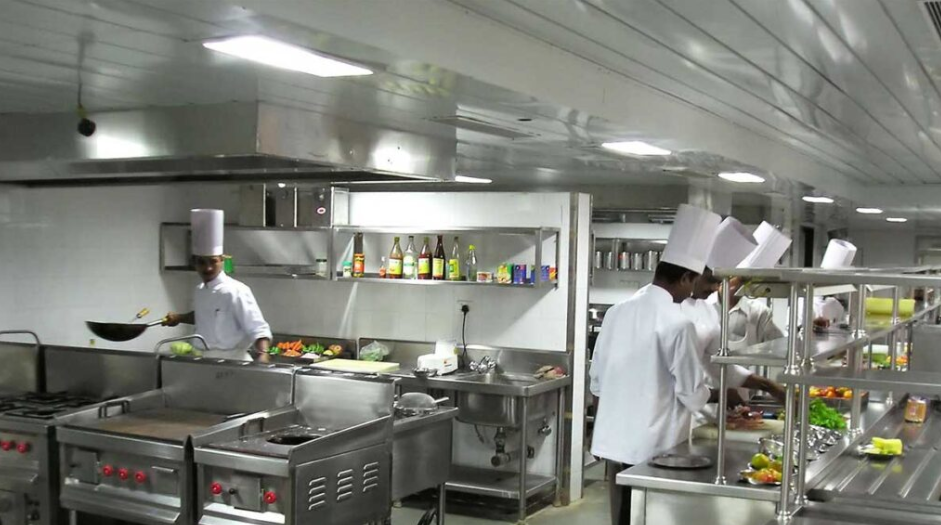
A cloud kitchen, also known as a ghost kitchen or virtual kitchen, is a delivery-only food service operation. These kitchens do not have a physical dining area and rely entirely on online orders placed through apps or websites.
Key Characteristics
- No dine-in facility
- Focus on delivery and takeaway
- Operates through digital platforms
- Lower operational costs
- Multiple brands can operate from one kitchen
This model allows businesses to focus on food quality and efficient delivery.
Why Cloud Kitchens Are Growing in Popularity
Changing Consumer Behavior
Customers increasingly prefer ordering food online for convenience and speed.
Cost Efficiency
Without the need for expensive real estate and dining space, businesses can significantly reduce costs.
Scalability
Cloud kitchens can easily expand by adding new brands or cuisines without major investments.
Faster Market Entry
Entrepreneurs can launch food businesses quickly without the complexities of a traditional restaurant.
Key Benefits of Cloud Kitchens
Lower Investment
Reduced setup costs make it easier for startups to enter the food industry.
Increased Reach
Businesses can serve a wider audience through online delivery platforms.
Operational Efficiency
Streamlined operations focus on food preparation and delivery.
Flexibility
Menus and concepts can be easily adjusted based on customer demand.
Types of Cloud Kitchen Models
Single Brand Cloud Kitchen
Operates one restaurant brand focused on a specific cuisine.
Multi-Brand Kitchen
Hosts multiple brands under one roof, targeting different customer segments.
Aggregator-Owned Kitchens
Managed by food delivery platforms, offering shared kitchen spaces.
Franchise Cloud Kitchens
Expands existing restaurant brands into new locations without physical outlets.
How to Start a Cloud Kitchen
Choose a Concept
Select a cuisine or food concept that has demand in your target market.
Curtain Cleaning Dubai: Refresh Your Home with Professional CareSee also:
Find a Suitable Location
Choose a location optimized for delivery logistics rather than foot traffic.
Partner with Delivery Platforms
Register with popular food delivery apps to reach customers.
Focus on Branding
Strong branding helps attract and retain customers.
Maintain Quality and Hygiene
Consistent food quality and hygiene standards are essential for success.
Challenges of Cloud Kitchens
High Competition
The growing popularity of cloud kitchens has increased competition in the market.
Dependence on Delivery Platforms
Businesses rely heavily on third-party platforms for orders and visibility.
Logistics Management
Efficient delivery systems are crucial for maintaining customer satisfaction.
Future Trends in Cloud Kitchens
Technology Integration
Advanced tools like AI and data analytics will improve operations and customer insights.
Automation
Automation in food preparation and order management will enhance efficiency.
Sustainable Practices
Eco-friendly packaging and operations will become more important.
Real-World Application
Food entrepreneurs and restaurant brands looking to expand their reach and reduce costs often adopt cloud kitchen models to streamline operations, improve efficiency, and cater to the growing demand for online food delivery.
FAQs
What is a cloud kitchen?
A cloud kitchen is a delivery-only restaurant that operates without a physical dine-in space.
Is a cloud kitchen profitable?
Yes, due to lower operational costs and the ability to serve a large customer base.
Can multiple brands operate in one cloud kitchen?
Yes, many cloud kitchens host multiple brands to maximize efficiency and revenue
Conclusion
Cloud kitchen models are transforming the food industry by offering a cost-effective and scalable alternative to traditional restaurants. With the increasing demand for online food delivery, this innovative approach provides businesses with new opportunities for growth and expansion.
By adopting the right strategies and leveraging technology, entrepreneurs can build successful cloud kitchen businesses that meet modern consumer needs and thrive in a competitive market.