
Nigeria’s bottled water industry is one of the fastest growing in Africa, driven by rapid urbanization, rising consumer health awareness, and limited access to piped drinking water in many areas. bottled water machine price Nigeria If you are planning to enter this market, understanding the bottled water machine price Nigeria market offers is your first step. Prices vary significantly based on machine capacity, automation level, and country of origin, so a clear understanding of the factors that drive costs is essential.
Factors That Influence Bottled Water Machine Prices in Nigeria
Several variables determine how much you will pay for water bottling equipment in Nigeria. Production capacity (bottles per hour), the level of automation, the quality of component materials, the machine’s country of manufacture, and import duties all play significant roles. Understanding each factor helps you accurately compare quotations from different suppliers.
Production Capacity and Machine Size
Small-scale machines producing 1,000 to 3,000 small sachets or bottles per hour are significantly less expensive than mid-scale machines producing 10,000 bottles per hour or large industrial lines producing 30,000 or more bottles per hour. Define your target production volume before requesting quotations.
Automation Level and Control Systems
Fully automatic machines have higher purchase prices than semi-automatic systems but deliver lower labor costs per unit produced. For large-scale operations, the labor cost savings from automation typically justify the higher capital investment within 18 to 36 months.
Price Ranges for Different Types of Bottled Water Machines
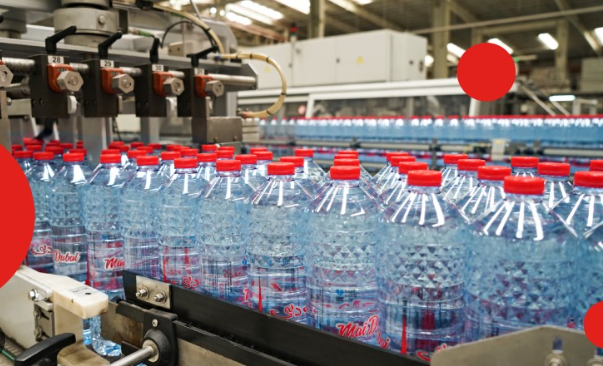
Entry-level sachet water machines start from approximately 1 to 3 million Naira for small, semi-automatic models. Mid-range PET bottle filling lines for 50cl to 1.5 litre bottles typically range from 5 to 20 million Naira depending on capacity. Large, fully automated bottle water lines with complete purification systems can range from 50 to over 200 million Naira for turnkey installations.
See also: Measuring Customer Success With Technology
Sachet Water Machine Prices
Sachet water (pure water) machines are the most affordable entry point for small-scale entrepreneurs. Basic models that produce 1,500 to 3,000 sachets per hour can often be acquired for 1.5 to 4 million Naira. Higher-speed models with integrated sterilization and date-coding systems cost more but deliver better hygiene and efficiency.
PET Bottle Filling Line Prices
Investing in a PET bottle line positions your product for retail markets and potentially export. Entry-level lines capable of filling 2,000 to 5,000 bottles per hour of 50cl PET bottles typically range from 8 to 25 million Naira including basic purification. High-speed industrial lines with full automation and packaging systems are in the 50 to 200 million Naira range.
Import and Customs Costs to Consider
Most bottled water machines sold in Nigeria are imported, primarily from China, with some from Italy and other countries. Import duties, port charges, freight costs, and local transportation all add to the total landed cost. These additional costs can amount to 15 to 30 percent of the ex-factory machine price, so always request a CIF (cost, insurance, and freight) price for realistic budgeting.
Choosing Between Imported and Locally Assembled Equipment
A small number of local engineering companies in Nigeria assemble basic sachet and bottled water machines. These locally assembled machines typically cost less and benefit from easier access to spare parts and technical support. However, they may not match the quality, capacity, or longevity of purpose-built imported equipment.
Financing Options for Equipment Purchase
Equipment financing through commercial banks, leasing companies, or supplier credit programs can make bottled water machines more accessible to entrepreneurs without large capital reserves. The Bank of Industry (BOI) in Nigeria also offers favorable loan programs for food and beverage manufacturing businesses.
Evaluating Price Against Quality and Longevity
Do not make the mistake of choosing the cheapest available machine without considering quality. Low-cost machines may have poor-quality pumps, short-lived filling valves, and inadequate hygiene standards. The cost of frequent repairs, production downtime, and regulatory issues due to poor water quality far exceeds the initial savings. Request inspection reports and reference contacts for any machine you seriously consider.
Frequently Asked Questions
Q: What is the cheapest bottled water machine available in Nigeria?
A: Basic sachet water machines can be found from as little as 1 million Naira, though quality and longevity at this price point are often poor. Budget at least 2 to 3 million Naira for a reliable entry-level sachet machine.
Q: Do bottled water machine prices in Nigeria include installation?
A: Installation is sometimes included for locally sourced machines but usually costs extra for imported equipment. Always clarify what is included in the quoted price.
Q: Can I get a warranty on bottled water machines bought in Nigeria?
A: Reputable suppliers offer 6 to 24 months warranty on their machines. Confirm warranty terms in writing before purchasing and ensure the supplier has local service capability.
Conclusion
Understanding the bottled water machine price Nigeria market presents is essential for smart investment planning. The right machine at the right price — balanced against quality, capacity, and long-term operational costs — sets the foundation for a profitable bottled water business. Research thoroughly, compare multiple suppliers, and never sacrifice quality for the lowest initial price.