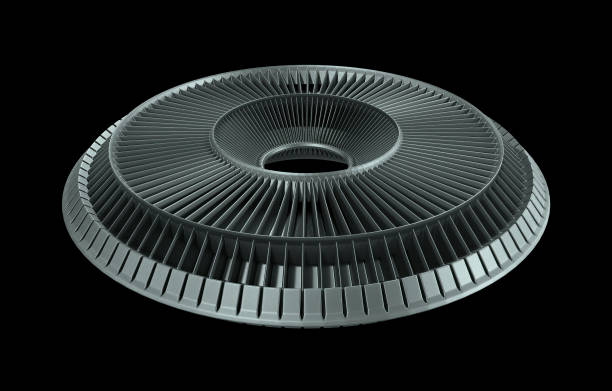

Steam turbines are complex machines designed to convert thermal energy into mechanical power with high efficiency. Among the many internal components that make this process possible, steam turbine diaphragms play a vital yet often overlooked role. These stationary components are essential for directing steam flow, maintaining pressure balance, and ensuring efficient energy transfer across turbine stages.
Understanding the function of diaphragm in steam turbine systems—and knowing when it requires repair—is critical for maintaining performance, reducing energy loss, and avoiding costly downtime. In this article, we’ll explore how diaphragms work, why they matter, and the signs that indicate they need maintenance or repair.
What Is a Diaphragm in a Steam Turbine?
A diaphragm in a steam turbine is a stationary ring-like component positioned between rotating stages. It typically consists of an outer ring, inner ring, and a set of fixed nozzles or guide vanes. These nozzles are carefully designed to control the direction and velocity of steam as it flows through the turbine.
Each stage of a turbine relies on a diaphragm to properly guide steam onto the rotating blades. Without this precise guidance, the turbine would lose efficiency and fail to generate optimal power output.
The Function of Diaphragm in Steam Turbine Systems
The function of diaphragm in steam turbine operation is both mechanical and aerodynamic. It plays several critical roles that directly influence performance and efficiency.
Directing Steam Flow Between Stages
One of the primary functions of steam turbine diaphragms is to direct steam flow at the correct angle and velocity onto the rotating blades. The nozzles within the diaphragm convert steam pressure into kinetic energy, which is then transferred to the rotor.
Proper steam direction ensures:
- Efficient energy transfer
- Maximum rotational force
- Consistent turbine output
If the steam is not directed accurately, energy conversion becomes inefficient, leading to performance losses.
Maintaining Pressure Differentials
Steam turbines operate on a series of pressure drops across multiple stages. Each diaphragm helps maintain the correct pressure difference between stages, which is essential for extracting energy from the steam.
By controlling pressure distribution, diaphragms:
- Optimize energy extraction at each stage
- Prevent pressure imbalances
- Ensure smooth turbine operation
Any disruption in this pressure control can significantly reduce overall efficiency.
Supporting Sealing Systems
Steam turbine diaphragms also play a role in supporting sealing mechanisms that minimize steam leakage. These seals help ensure that steam flows through intended pathways rather than escaping between components.
Effective sealing contributes to:
- Reduced energy loss
- Improved efficiency
- Stable operating conditions
Enhancing Overall Turbine Efficiency
By combining flow control, pressure management, and sealing support, diaphragms are essential for maintaining high turbine efficiency. They ensure that the turbine operates as designed, delivering optimal performance.
How Diaphragm Wear and Damage Occur
Despite their importance, steam turbine diaphragms are exposed to harsh operating conditions that can lead to wear and damage over time.
Erosion from High-Velocity Steam
Steam flowing at high speeds can carry particles that gradually erode the surfaces of diaphragm nozzles. This erosion alters the shape of the nozzles, reducing their effectiveness.
Corrosion from Moisture and Contaminants
Moisture and chemical impurities in steam can cause corrosion, weakening the diaphragm structure and affecting its performance.
Thermal Stress and Fatigue
Repeated heating and cooling cycles can lead to thermal fatigue, causing cracks or deformation in the diaphragm material.
Mechanical Misalignment
Improper installation or operational stress can cause misalignment between diaphragms and rotating components. This can lead to uneven wear and reduced efficiency.
Impact of Diaphragm Degradation on Turbine Performance
When steam turbine diaphragms degrade, the effects on performance can be significant.
Reduced Steam Flow Efficiency
Worn or damaged nozzles cannot properly direct steam, leading to inefficient energy transfer. This reduces the turbine’s ability to generate power.
Increased Energy Loss
Leakage caused by worn seals or increased clearances allows steam to bypass intended flow paths. This results in energy loss and lower efficiency.
Disrupted Pressure Balance
Damage to diaphragms can alter pressure differentials between stages, reducing the effectiveness of energy extraction.
Higher Fuel Consumption
As efficiency drops, more fuel is required to produce the same output. This increases operational costs and reduces profitability.
Signs That Diaphragms Need Repair
Recognizing the early signs of diaphragm issues is essential for preventing major performance problems.
Decline in Turbine Efficiency
A noticeable drop in efficiency or output may indicate diaphragm wear or damage.
Increased Steam Leakage
Visible or measurable leakage is a clear sign that sealing surfaces or clearances are compromised.
Abnormal Vibrations
Misalignment or structural damage can cause vibrations, which may affect overall turbine stability.
Unusual Temperature Variations
Changes in temperature distribution within the turbine can indicate airflow or pressure issues caused by diaphragm problems.
Frequent Maintenance Issues
Repeated maintenance requirements may point to underlying diaphragm degradation.
When Should Diaphragm Repair Be Performed?
Timing is critical when it comes to diaphragm repair. Delaying maintenance can lead to more severe damage and higher costs.
During Scheduled Maintenance Outages
Routine inspections during planned outages provide an opportunity to assess diaphragm condition and perform necessary repairs.
When Performance Declines
If efficiency or output drops unexpectedly, diaphragms should be inspected and repaired as needed.
After Prolonged Operation
Over time, even well-maintained diaphragms will require repair due to normal wear and tear.
Following Operational Incidents
Events such as sudden pressure changes or contamination can damage diaphragms, making immediate inspection and repair necessary.
Benefits of Timely Diaphragm Repair
Repairing steam turbine diaphragms at the right time offers several advantages.
Restored Efficiency
Repairing worn nozzles and sealing surfaces helps restore proper steam flow and pressure control, improving efficiency.
See also: Measuring ROI With Marketing Technology
Reduced Energy Loss
By eliminating leakage and optimizing flow paths, repair reduces energy loss and enhances performance.
Extended Component Life
Repair processes strengthen and restore diaphragms, extending their operational lifespan.
Lower Operational Costs
Improved efficiency and reduced maintenance needs lead to significant cost savings over time.
Enhanced Reliability
Well-maintained diaphragms contribute to stable and reliable turbine operation, reducing the risk of unexpected failures.
Best Practices for Diaphragm Maintenance
To ensure optimal performance, operators should adopt proactive maintenance strategies.
Regular Inspections
Routine inspections help detect early signs of wear and damage, allowing for timely intervention.
Use of Advanced Repair Techniques
Modern repair methods, including welding, machining, and coating, can restore diaphragms to near-original condition.
Monitoring Performance Metrics
Tracking efficiency, pressure, and temperature data can help identify issues related to diaphragm performance.
Partnering with Service Providers
Working with experienced professionals ensures high-quality repairs and reliable results.
Conclusion
Understanding the function of diaphragm in steam turbine systems is essential for maintaining efficiency and performance. These components play a critical role in directing steam flow, maintaining pressure balance, and supporting sealing systems.
However, over time, wear, erosion, and misalignment can degrade steam turbine diaphragms, leading to reduced efficiency, increased energy loss, and higher operational costs. Recognizing the signs of damage and performing timely repairs is key to restoring performance and ensuring reliable operation.
By prioritizing diaphragm maintenance and repair, power plant operators can optimize turbine efficiency, extend equipment life, and achieve long-term operational success.