
Electricity bills, remote work, and unpredictable weather have pushed many households to rethink how power is used at home. Portable solar panels, once associated mainly with camping trips, are now appearing in backyards, balconies, and even apartment windows. Their appeal lies in flexibility: they can be moved, stored, adjusted, and used only when needed. Unlike permanent rooftop systems, they do not require structural changes or professional installation. This makes them accessible for renters, first-time homeowners, and families who simply want to experiment before making larger investments. In this article, the practical value of portable solar panels for everyday home use will be examined through real-life scenarios.
1. Power Your Home Office for Free
Working from home means computers, monitors, routers, and desk lamps often run eight to ten hours a day. Even efficient devices consume noticeable electricity over time, especially when combined with heating or cooling systems. A portable solar panel placed near a sunny window, on a balcony, or in a backyard can charge a portable power station during peak daylight hours. That stored energy can then run smaller electronics in the afternoon and evening, effectively offsetting part of the daily workload. Over weeks and months, this habit reduces dependence on grid electricity without changing daily routines. For households exploring panels solar home solutions, starting with a home office setup provides a clear and measurable testing ground.
2. Keep Essentials Running in Outages
Power Fridge, Lights, and Phones
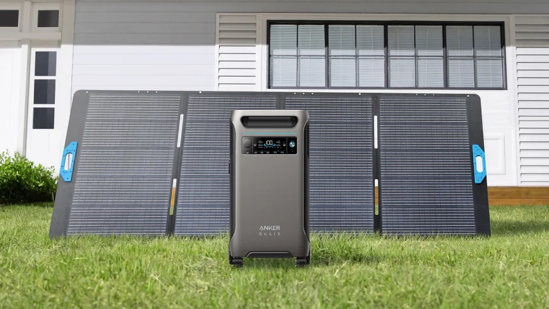
Food safety and communication become immediate concerns when the power goes out. A portable solar panel paired with a battery unit can recharge during daylight and supply enough energy to keep a refrigerator cycling, lights on in key rooms, and phones charged. While it may not run an entire house, it covers the most essential needs that prevent food spoilage and maintain a connection with family and emergency services. This level of preparedness brings peace of mind without the scale or cost of a whole-house system. For many families, maintaining just the kitchen and communication devices already makes outages far less stressful. Over time, understanding actual wattage needs also helps households become more energy-aware in daily life.
No Extension Cords or Gas Runs
Traditional generators often require fuel storage and outdoor operation, which can be inconvenient and sometimes noisy. Portable solar systems eliminate the need to store gasoline or manage long extension cords from outside to inside spaces. Once charged, the battery unit can sit safely indoors, powering appliances directly through built-in outlets. This reduces setup time during emergencies, especially at night or during heavy rain. The simplicity encourages more consistent use because there is no complicated startup procedure. For families with children or elderly members, fewer cables and fuel-related tasks also mean fewer risks.
Safe for Indoor Use During Storms
Storm conditions can make outdoor equipment handling difficult or unsafe. Solar panels can be positioned before severe weather arrives and folded away quickly when winds increase. The stored energy in a battery unit can then be used indoors without combustion or fumes. This makes the setup suitable for apartments, townhouses, and suburban homes alike. Unlike fuel-based options, there is no risk of carbon monoxide buildup when used properly. Safety, especially during unpredictable weather, becomes one of the strongest arguments for keeping a portable solar kit at home.
3. Extend Living Space Outdoors
Run Patio Lights and Ceiling Create an Outdoor Entertainment Zone
Portable solar power makes it possible to run projectors, small televisions, or charging stations for devices during backyard movie nights or small gatherings. Because the system is movable, it can be repositioned to follow sunlight or adapted to different layouts. This versatility supports seasonal activities, from summer barbecues to autumn sports viewing. The absence of loud engines preserves the relaxed atmosphere of outdoor events. For households experimenting with renewable energy, these visible, enjoyable uses help demonstrate real-world benefits beyond utility savings.
4. Test the Waters Before Going Rooftop
Start with Portable to Learn Solar
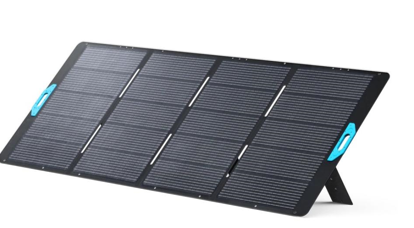
Many households feel uncertain about investing in rooftop systems without firsthand experience. Starting with a portable setup provides practical insight into sunlight patterns, shading issues, and daily energy habits. Products such as Anker solar panels are designed for straightforward deployment, often featuring adjustable stands and efficient cells that make capturing sunlight simple in everyday settings. When paired with compact storage units like those in the Anker Solix lineup, they integrate smoothly into balconies, patios, or small yards without visual disruption. This gradual introduction builds confidence and understanding before considering larger-scale installations.
See also: enhance marketing with technology
No Commitment, No Installation
Permanent solar installations involve permits, structural considerations, and long-term financial planning. Portable panels require none of these steps, making them suitable for renters or those planning to move. They can be folded, transported, and reused in new locations. This flexibility lowers the psychological barrier to trying renewable energy at home. Families can evaluate performance across seasons without signing contracts or scheduling roof work. The absence of permanent alteration makes portable solar a low-risk educational tool.
Later Panels Can Supplement Your System
If a household eventually installs rooftop panels, portable units do not become obsolete. They can supplement the main system during high-demand periods or be reserved for emergencies and outdoor use. This layered approach to energy management increases resilience. Portable panels can also serve as backup charging tools if rooftop production is temporarily reduced by maintenance or shading. Instead of viewing them as temporary gadgets, they become part of a broader, adaptable energy strategy. Over time, this flexible structure helps households transition gradually toward more comprehensive renewable setups.
Conclusion
Portable solar panels have evolved from niche camping gear into practical household tools. They offer measurable benefits for home offices, emergency preparedness, and outdoor living spaces without requiring permanent changes. Their flexibility makes them suitable for renters, homeowners, and families exploring energy independence at a comfortable pace. By starting small and observing daily energy patterns, households gain insight into how solar fits their lifestyle. For many, portable systems serve not only as backup power but also as a stepping stone toward broader renewable solutions.